MENU
My list

The Need to Reseed…

Consider reseeding if there is less than 50% sown species in the ley

It’s time to start thinking about your Autumn Reseed.
An indicator of whether you need to reseed in the Autumn is the percentage of Ryegrass (or other sown species) in your sward, rather than relying purely on the age of the ley.

By simply pulling up a handful of grass plants will allow you to see how much PRG you have by looking for their familiar red base to their stem. The invasion of weed grasses in your leys can easily be done by annual meadow grass. These do not have the red stem bases and provide a very poor quality of feed and also yield badly. Their response to nitrogen is also inadequate.

Consider reseeding if there is less than 50% sown species in the ley

We hear anecdotal evidence that the perfect Grass/Clover balance over the grass growing season is 70/30. Even so, clover content has been known to vary widely, even within fields. Reseeding (over‑seeding) gives you the opportunity to improve the performance of your swards depending on your objectives for a particular field. Short-term cutting or long-term grazing.

So which type of grass?

Mixtures
Many UK farmers benefit from sowing a mixture of grasses and clovers, as opposed to a single variety. Sowing mixed species has many benefits.
You can capitalise on the strengths of different species. The digestibility of PRG can be combined with the yield of a hybrid ryegrass (HRG) and the superior nutrient value of white clover in one field.

Views on mixed species swards?

It makes sense to increase the sward diversity to provide protein, energy and minerals but this depends on your objectives of the livestock and soil types and the overall plan of how it fits into your rotation. It’s highly recommended to speak to your merchant and discuss your soil type and requirements. Mixed swards have huge potential when used in the correct situation, but they are not right for every scenario.

Perennial, Italian and Hybrid Ryegrasses

Ryegrass is the most important sown grass grown in the UK due to its productivity and suitability to the climate and farming systems.

Perennial ryegrasses (PRG)

This produces persistently excellent yields of superb forage. Whilst an Italian ryegrass (IRG) may yield higher, it is known to have poor persistence.

Hybrid Ryegrass (HRG)

This is a cross between perennial and Italian varieties, combining the strengths of the two parent species, e.g. the sward density of PRG and the out-of-season growth of IRG.

Red Clovers

When reseeding, do not use red clover again on that field for 6-7 years due to Sclerotinia and stem eelworm. Both are naturally present in all soils and numbers multiply with the red clover plants as a host. If you don’t drill red clover for 6 – 7 years those populations in the soil naturally die back down.

Can you sow White Clover after Red Clover?

YES
Yes, the disease that affects white clover are different and therefore no issue with following red clover swards with a white clover sward.

How to reduce N inputs and improve drought tolerance

High Sugar Grasses don’t take any less nitrogen to grow, but it has been proven to increase dietary nitrogen in the rumen whilst also reducing the amount of ammonia and methane released. Germinal have a strong legume breeding programme and using the correct white clover in grazing situations and red clovers in cutting situations (and possibly for strong live weight gain with lambs and young stock) is the answer.
Germinal also have their embedded research and breeding team working at Aberystwyth University to look at novel legumes that are hoped will provide high quantities of forage while fixing and releasing more N to the companion cropping. They have already brought to the market a hybrid white clover, AberLasting, that is a cross with Trifolium Ambiguum and Trifolium Repens so the forage clover is producing rhizomes as well as stolons.

For 2 year leys – use tetraploid and diploid Italian ryegrasses

For 3-4 year leys – use hybrid ryegrass and early perennial ryegrasses

For long term leys – use intermediate and late perennial ryegrasses.


Which varieties are recommended for sowing after maize in late September/early October?

If you are trying to establish a long-term ley then drill before late September. If trying to establish a short-term ley and keep the ground covered for winter then Italian ryegrass, hybrid ryegrass and even some Westerwolds would do the job.

What about sowing a brassica crop as a break between the old established grass to a new ley?

Our recommendation of using a brassica crop as a break crop would also help with reducing populations of Frit Fly and Wireworm. Alas, there is no chemical spray that controls these pests anymore.

What advantages would there be to growing a forage brassica crop to use as a break crop rather than direct grass to grass?

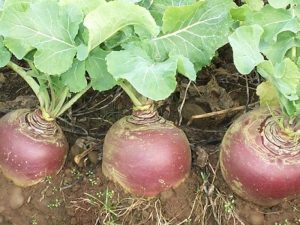
Brassica crops are not hosts for the parent pests to lay their eggs. Therefore, creating a cleaner seedbed with less risk of pest problem. You also get two chances at weed control and a high protein break crop that can provide valuable forage at a period that you may be short of livestock feed.

How About Harrow or Disc for making a fine seed bed?

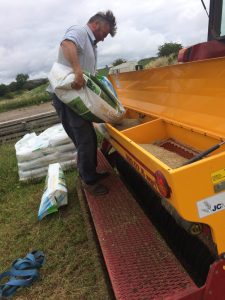
The implement is not the important part, it is choosing whatever equipment is suitable and available to create a FINE FIRM SEEDBED. Remember we are looking for maximum contact between seed and soil.

What drilling depth would you overseed?

As a rule of thumb seeds should drilled no deeper than one and a half times the size of the seed. Therefore, we recommend clover seed and other such small seed species like plantain are placed on or just below the surface.

In conclusion

An Autumn reseed can provide huge benefits to your business:

  • Full production the following season
  • Soil has had chance to settle prior to grazing
  • Great opportunity for a break crop
  • Using brassicas can help with livestock feed
  • Less weed pressure


Related posts

Leave the first comment

Add to this to my list

The Need to Reseed…

Consider reseeding if there is less than 50% sown species in the ley

It’s time to start thinking about your Autumn Reseed.
An indicator of whether you need to reseed in the Autumn is the percentage of Ryegrass (or other sown species) in your sward, rather than relying purely on the age of the ley.

By simply pulling up a handful of grass plants will allow you to see how much PRG you have by looking for their familiar red base to their stem. The invasion of weed grasses in your leys can easily be done by annual meadow grass. These do not have the red stem bases and provide a very poor quality of feed and also yield badly. Their response to nitrogen is also inadequate.

Consider reseeding if there is less than 50% sown species in the ley

We hear anecdotal evidence that the perfect Grass/Clover balance over the grass growing season is 70/30. Even so, clover content has been known to vary widely, even within fields. Reseeding (over‑seeding) gives you the opportunity to improve the performance of your swards depending on your objectives for a particular field. Short-term cutting or long-term grazing.

So which type of grass?

Mixtures
Many UK farmers benefit from sowing a mixture of grasses and clovers, as opposed to a single variety. Sowing mixed species has many benefits.
You can capitalise on the strengths of different species. The digestibility of PRG can be combined with the yield of a hybrid ryegrass (HRG) and the superior nutrient value of white clover in one field.

Views on mixed species swards?

It makes sense to increase the sward diversity to provide protein, energy and minerals but this depends on your objectives of the livestock and soil types and the overall plan of how it fits into your rotation. It’s highly recommended to speak to your merchant and discuss your soil type and requirements. Mixed swards have huge potential when used in the correct situation, but they are not right for every scenario.

Perennial, Italian and Hybrid Ryegrasses

Ryegrass is the most important sown grass grown in the UK due to its productivity and suitability to the climate and farming systems.

Perennial ryegrasses (PRG)

This produces persistently excellent yields of superb forage. Whilst an Italian ryegrass (IRG) may yield higher, it is known to have poor persistence.

Hybrid Ryegrass (HRG)

This is a cross between perennial and Italian varieties, combining the strengths of the two parent species, e.g. the sward density of PRG and the out-of-season growth of IRG.

Red Clovers

When reseeding, do not use red clover again on that field for 6-7 years due to Sclerotinia and stem eelworm. Both are naturally present in all soils and numbers multiply with the red clover plants as a host. If you don’t drill red clover for 6 – 7 years those populations in the soil naturally die back down.

Can you sow White Clover after Red Clover?

YES
Yes, the disease that affects white clover are different and therefore no issue with following red clover swards with a white clover sward.

How to reduce N inputs and improve drought tolerance

High Sugar Grasses don’t take any less nitrogen to grow, but it has been proven to increase dietary nitrogen in the rumen whilst also reducing the amount of ammonia and methane released. Germinal have a strong legume breeding programme and using the correct white clover in grazing situations and red clovers in cutting situations (and possibly for strong live weight gain with lambs and young stock) is the answer.
Germinal also have their embedded research and breeding team working at Aberystwyth University to look at novel legumes that are hoped will provide high quantities of forage while fixing and releasing more N to the companion cropping. They have already brought to the market a hybrid white clover, AberLasting, that is a cross with Trifolium Ambiguum and Trifolium Repens so the forage clover is producing rhizomes as well as stolons.

For 2 year leys – use tetraploid and diploid Italian ryegrasses

For 3-4 year leys – use hybrid ryegrass and early perennial ryegrasses

For long term leys – use intermediate and late perennial ryegrasses.


Which varieties are recommended for sowing after maize in late September/early October?

If you are trying to establish a long-term ley then drill before late September. If trying to establish a short-term ley and keep the ground covered for winter then Italian ryegrass, hybrid ryegrass and even some Westerwolds would do the job.

What about sowing a brassica crop as a break between the old established grass to a new ley?

Our recommendation of using a brassica crop as a break crop would also help with reducing populations of Frit Fly and Wireworm. Alas, there is no chemical spray that controls these pests anymore.

What advantages would there be to growing a forage brassica crop to use as a break crop rather than direct grass to grass?

Brassica crops are not hosts for the parent pests to lay their eggs. Therefore, creating a cleaner seedbed with less risk of pest problem. You also get two chances at weed control and a high protein break crop that can provide valuable forage at a period that you may be short of livestock feed.

How About Harrow or Disc for making a fine seed bed?

The implement is not the important part, it is choosing whatever equipment is suitable and available to create a FINE FIRM SEEDBED. Remember we are looking for maximum contact between seed and soil.

What drilling depth would you overseed?

As a rule of thumb seeds should drilled no deeper than one and a half times the size of the seed. Therefore, we recommend clover seed and other such small seed species like plantain are placed on or just below the surface.

In conclusion

An Autumn reseed can provide huge benefits to your business:

  • Full production the following season
  • Soil has had chance to settle prior to grazing
  • Great opportunity for a break crop
  • Using brassicas can help with livestock feed
  • Less weed pressure


Suitability suggestion

Best use:
Soil type:
Soil condition:
Duration:
Per acre pack: Kg
Price:
Amount
Variety - Type